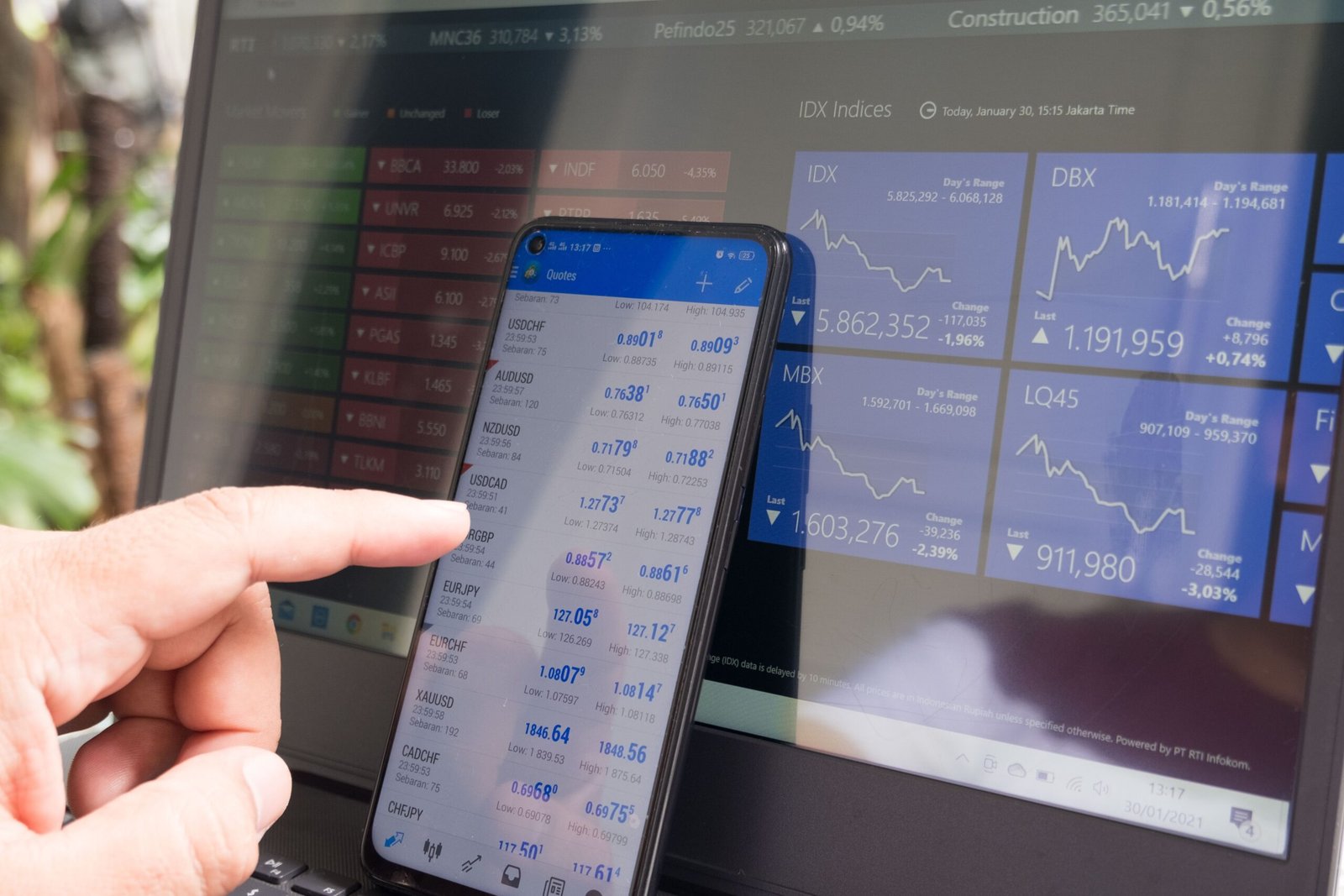
When it comes to forex trading, traders have the option to take either long trades or short trades. Understanding the difference between these two types of trades is crucial for successful trading in the forex market.
Long Trade
A long trade in forex refers to buying a currency pair with the expectation that its value will increase over time. Traders enter into a long trade when they believe that the base currency will strengthen against the quote currency. For example, if a trader believes that the EUR/USD currency pair will rise, they would go long on the pair by buying euros and selling dollars.
Long trades are typically taken when there is a bullish sentiment in the market. Traders may base their decisions on technical analysis, fundamental analysis, or a combination of both. The goal of a long trade is to sell the currency pair at a higher price than the purchase price, thereby making a profit.
Short Trade
On the other hand, a short trade involves selling a currency pair with the expectation that its value will decrease. Traders enter into a short trade when they believe that the base currency will weaken against the quote currency. For instance, if a trader expects the GBP/USD currency pair to decline, they would go short on the pair by selling pounds and buying dollars.
Short trades are typically taken when there is a bearish sentiment in the market. Traders may identify potential short trade opportunities through various analysis techniques. The aim of a short trade is to buy back the currency pair at a lower price than the initial sale price, thereby making a profit.
Both long and short trades have their own risks and rewards. Traders need to carefully analyze the market conditions, study charts, and consider various indicators before making a decision. It is important to note that forex trading involves substantial risk and traders should only trade with money they can afford to lose.
In conclusion, understanding the difference between long trades and short trades is essential for forex traders. By analyzing market trends and making informed decisions, traders can potentially profit from both bullish and bearish market conditions.