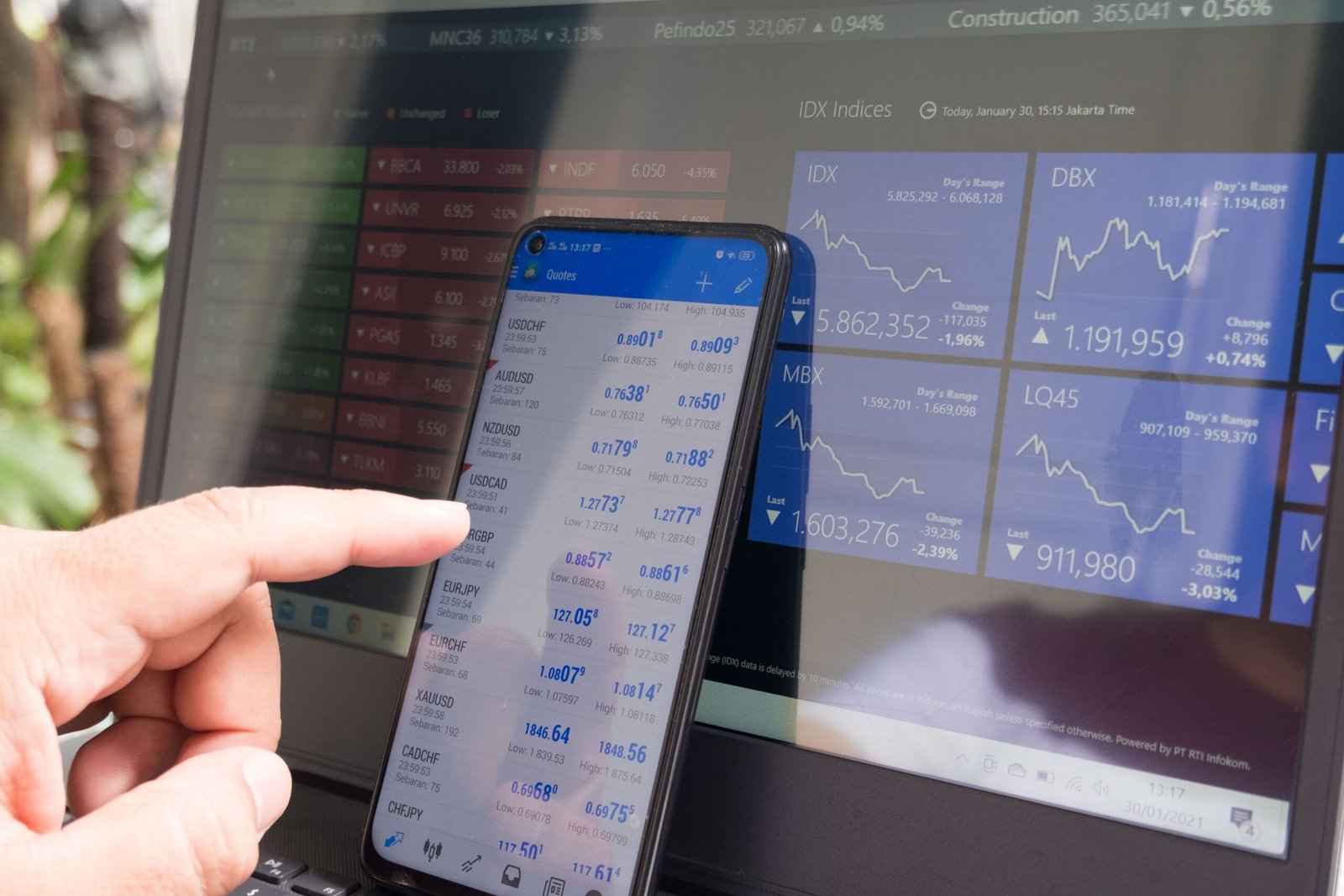
Forex trading is a popular form of investment that involves buying and selling currencies on the foreign exchange market. To make informed trading decisions, traders rely on forex charts, which provide valuable information about currency price movements over time.
A forex chart is a graphical representation of currency prices, typically displayed as a line, bar, or candlestick chart. These charts help traders analyze market trends, identify patterns, and determine potential entry and exit points for their trades.
There are different types of forex charts, each offering unique insights into price movements. Line charts are simple and show the closing prices of currencies over a specific period. Bar charts provide more detailed information, displaying the opening, closing, high, and low prices for a given time frame. Candlestick charts are widely used and offer a visual representation of price movements, with each candlestick representing a specific time period.
Forex traders use technical analysis tools and indicators to interpret forex charts and make predictions about future price movements. Some popular indicators include moving averages, relative strength index (RSI), and Bollinger Bands. These tools help traders identify trends, support and resistance levels, and potential reversals in the market.
It’s important for forex traders to understand how to read and interpret forex charts effectively. By analyzing historical price data and using technical indicators, traders can make informed decisions and increase their chances of success in the forex market.
In conclusion, forex charts play a crucial role in forex trading by providing traders with valuable insights into currency price movements. By understanding how to interpret these charts and using technical analysis tools, traders can make informed trading decisions and improve their chances of profitability.